
We use cookies on our website. Cookies help make the website more user-friendly, efficient, and secure.
Please select your cookie preferences
Strictly necessary cookies are cookies required for the website to function and provide the basic information requested by the website user. These cookies are not used for tracking users.
YouTube cookies allow the playback of YouTube videos directly on our website. When YouTube cookies are used personal data or connection information, such as the IP address, may be transmitted to YouTube. By accepting YouTube cookies, you consent to the transfer of this data to YouTube. Please see our privacy policy for more information.

Electrification, digitalisation and industrial transformation are driving unprecedented energy demand across the European Union. At the same time, Europe faces growing dependence on critical raw materials and rare earths, often sourced from third countries. Increasing geopolitical instability further amplifies vulnerabilities related to energy supply, materials, telecommunications and defence capabilities. Simultaneously, the EU must reduce greenhouse gas emissions, limit environmental impacts and maintain its global leadership in clean technologies. Strengthening European independence and reducing strategic dependencies has therefore become an urgent priority.
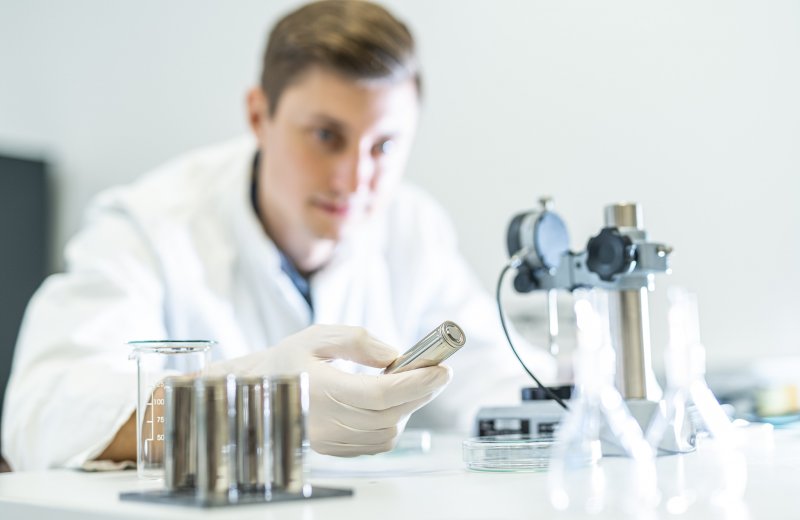
Industrial technologies are central to Europe’s green and digital transition: from reducing industrial emissions and securing energy supply to advancing materials and manufacturing. They also reinforce economic and political autonomy and help close the global technology gap. This includes developing sustainable materials for energy, digital, space, defence and industrial applications, reducing reliance on critical or toxic resources while maintaining high performance and safety.
With our innovation ecosystem INDUSTRIAL TECHNOLOGIES, we translate innovation into industrial impact, spanning a broad range of topics and sectors: the battery value chain, decarbonisation of steel production for critical infrastructure, advanced materials for semi-conductors and opto-electronics, and integrated digital services for the energy sector. In all this, a strong focus lies on embedding circularity through durable, recyclable technologies and advanced recycling solutions.
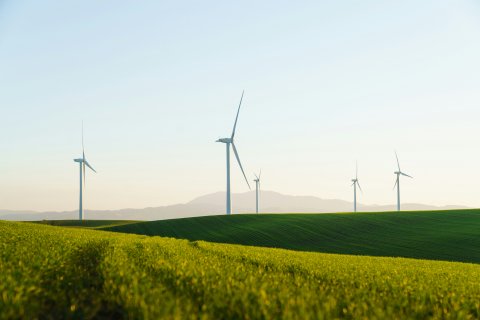
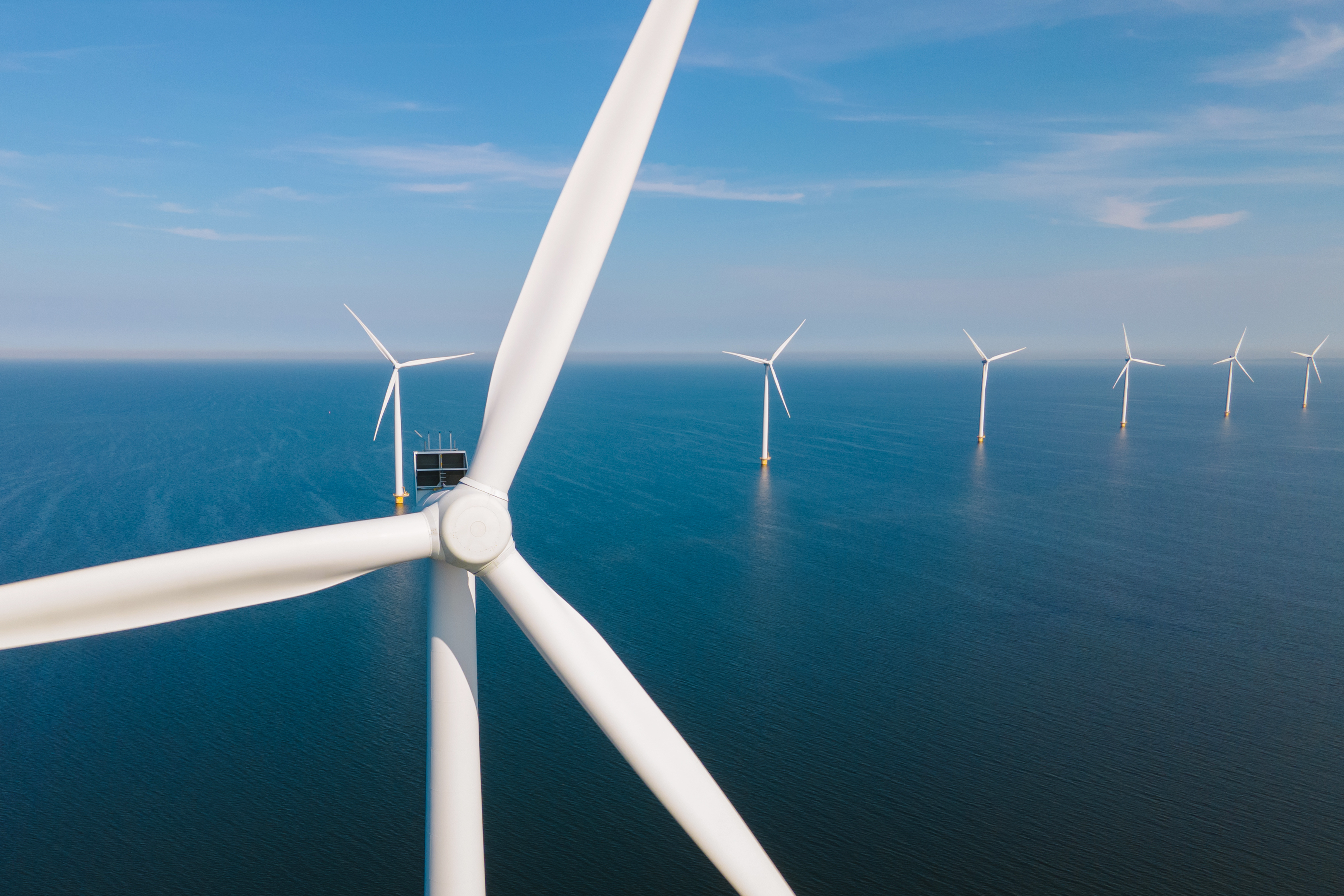
Europe has set out to become the first climate neutral continent by 2050. To do so we must reduce greenhouse gas emissions by at least 55% by 2030 (compared to 1990 levels). This target is central not only to Europe’s climate ambition but also to strengthening economic resilience, industrial competitiveness and long-term prosperity in a rapidly transforming global landscape. Delivering this transformation requires coordinated research and innovation across renewable energy production, large-scale storage, smart energy systems, industrial decarbonisation, sustainable mobility, climate-neutral cities and carbon removal technologies.
By integrating advanced materials development, circular economy principles, critical raw materials substitution and digital optimisation, we contribute to scalable solutions that enable a secure, competitive and climate-neutral Europe.
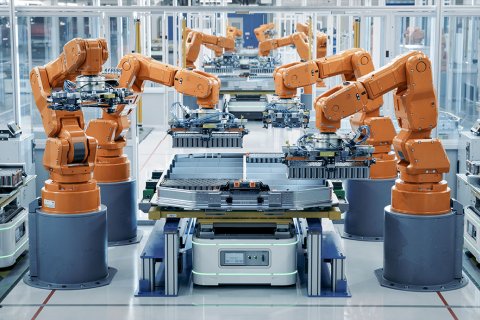
Europe’s dependence on external suppliers for critical raw materials, advanced components and key manufacturing technologies has become increasingly visible, exposing structural vulnerabilities in strategic value chains. In response, the EU aims to strengthen domestic capacities, diversify supply sources and reinforce Europe’s technological and industrial base. By fostering circular material cycles, reducing reliance on critical inputs and enabling breakthrough applications in semiconductors, batteries, aerospace, defence and clean technologies, we contribute to a more resilient, competitive and strategically autonomous European manufacturing ecosystem.
We support the development and deployment of advanced materials by bringing together research, industry and policy actors to accelerate innovation, scale-up and sustainable production across Europe.

Transport-related emissions account for an important share of the EU’s carbon footprint and need to be reduced to achieve climate neutrality by 2050. The EU aims at transforming its mobility standards towards a sustainable, safe and integrated transport landscape to to meet its climate targets while strengthening industrial leadership and societal well-being. This transition requires coordinated research and innovation in zero-emission vehicles, alternative fuels, advanced battery technologies, smart mobility solutions and digitalised infrastructure.
We bring together industry, research and public stakeholders to accelerate the uptake of smart and sustainable mobility. By structuring impactful projects and aligning innovation with European priorities, we enable efficient, accessible and climate-neutral transport systems that strengthen Europe’s competitiveness.
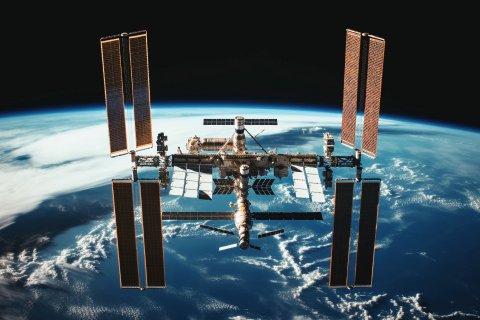
In the context of rising geopolitical tensions, increasing militarisation of space and growing global competition from major space powers, ensuring independent, secure and resilient European space capabilities has become a strategic priority for the EU. Space Technologies enable critical services essential for economic stability, environmental protection, security and technological sovereignty, including satellite navigation, earth observation and secure communications.
To strengthen the resilience of space infrastructure and enhance the competitiveness of the European space sector, we support the development of collaborative and future-oriented space initiatives that reinforce Europe’s technological leadership and strategic autonomy.
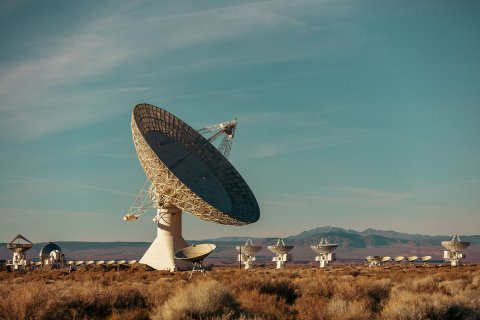
Cyber sovereignty and secure telecommunications are central to ensuring resilient and autonomous control over Europe’s digital infrastructure, data flows and communication networks. In an era marked by hybrid threats, cyberattacks, geopolitical competition and a war at our boarders, safeguarding Europe’s digital backbone has become essential not only for economic stability and democratic integrity, but also for national and collective security. Many emerging technologies are inherently or potentially dual use, with applications spanning both civilian and defence domains. This growing convergence underscores the need to systematically consider dual-use implications in future research and innovation efforts, regardless of the specific technology area.
We support the development of secure and future-proof digital infrastructures by shaping collaborative research and innovation initiatives that address cybersecurity, resilient communication systems and critical digital technologies, reducing strategic dependencies and reinforcing Europe’s technological sovereignty in both civilian and defence contexts.

.jpg)
Discover how our projects help advance industrial technologies and create real-world impact, contributing to Europe’s green and digital transition.