 Industrial Technologies
MOWSES
Green Steel for Safe and Sustainable Infrastructures

At a Glance
- Advancing sustainable green steel solutions for critical infrastructure across Europe
- Enhancing the safety and performance of welded scrap-based steel plates
- Reducing carbon emissions by refining the use of recycled steel
Green Steel Needs to Be Safe and Reliable
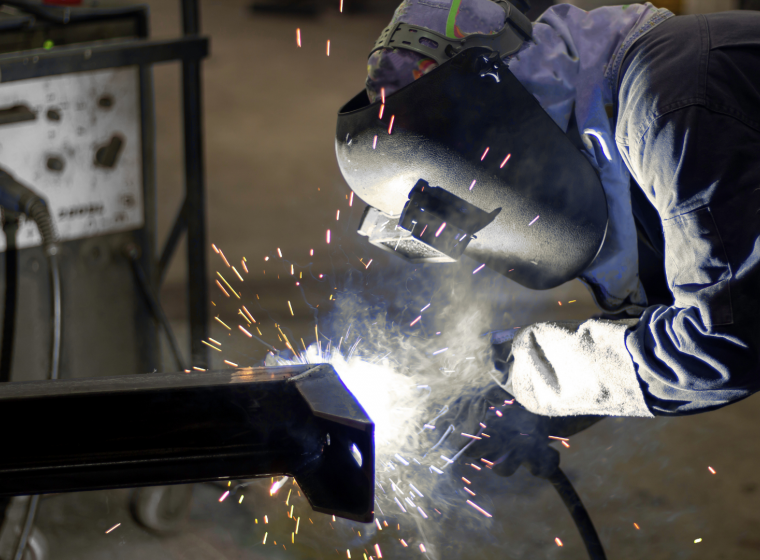
As Europe works toward climate-neutral infrastructure, the demand for sustainable construction materials is growing rapidly. Green steel, produced with higher amounts of scrap, offers a promising path forward. But using recycled scrap introduces a critical challenge: residual elements can influence the mechanical characteristics of the steel. Depending on the element, this can be beneficial and make the steel stronger, while others might embrittle the steel – especially in the in the heat-affected zones of welded joints.
This is where MOWSES steps in. By combining machine learning, thermodynamic simulations, and advanced modelling, the project aims to understand how green steel will behave under real-world conditions. MOWSES doesn’t just support the shift to cleaner steel — it ensures that sustainability doesn’t come at the cost of safety, laying the groundwork for Europe’s resilient, low-carbon future.
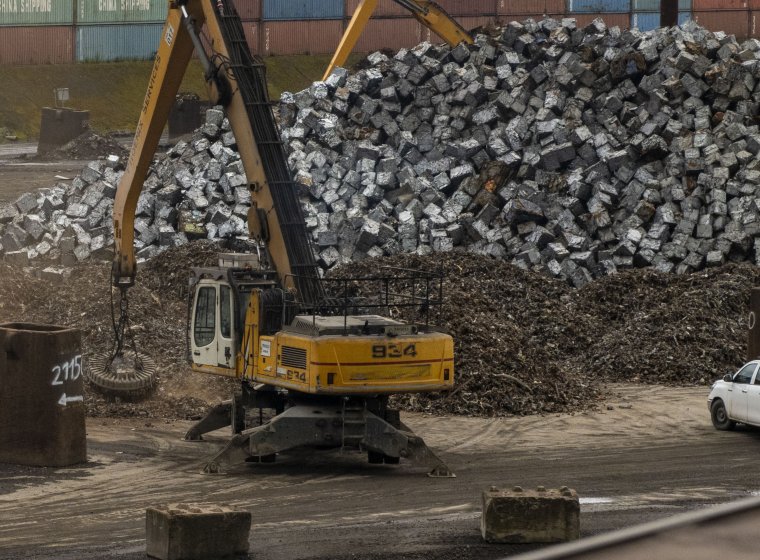
© ArcelorMittal Ghent
Safe Steel Made with Increased Amounts of Scrap
MOWSES brings together metallurgy, materials science, and digital innovation to make green steel safe for Europe’s future infrastructure. The project focuses on understanding how residual elements like copper and nickel—introduced through recycled scrap—affect welded steel’s microstructure and mechanical performance. Using a combination of thermodynamic simulations, machine learning, and finite element modelling, MOWSES predicts how steel behaves during welding and cooling, especially in critical heat-affected zones.
These insights help define tolerance limits for different alloying elements without compromising strength or durability. Experimental testing across multiple labs validates the models and ensures real-world relevance. By providing industry with clear, science-based guidelines, the project helps accelerate the shift to low-carbon construction—ensuring that recycled steel not only reduces emissions, but also delivers the safety and reliability that public infrastructure demands.