
Knowledge valorisation has become a central reference point in European research and innovation policy. It appears across strategies, funding programmes, and institutional agendas, reflecting a shared objective: ensuring that publicly funded research translates into tangible value for society, the economy, and policy.
Across Europe, research projects generate valuable results. What remains uneven is how these results are taken forward. While pathways such as licensing, collaboration, or open dissemination are widely recognised, their practical application is often unclear. Many organisations lack a clear approach to selecting and implementing these pathways, which creates a gap between available knowledge and its use.
From Guiding Principles to Concrete Decision-Making
European policy provides a clear direction. The Guiding Principles on Knowledge Valorisation and the Codes of Practice set reference points across key areas, including intellectual asset management, industry–academia collaboration, citizen engagement, and standardisation. The European Commission’s Knowledge Valorisation Platform complements this by offering a space to exchange practices, access guidance, and connect across the ecosystem.
Initiatives such as the EU Knowledge Valorisation Talks bring together practitioners and policymakers to discuss how these approaches are applied. In parallel, work on a competence framework for knowledge valorisation intermediaries reflects a growing focus on the skills needed to implement these principles.
Together, these efforts support a more consistent approach to valorisation across Europe.
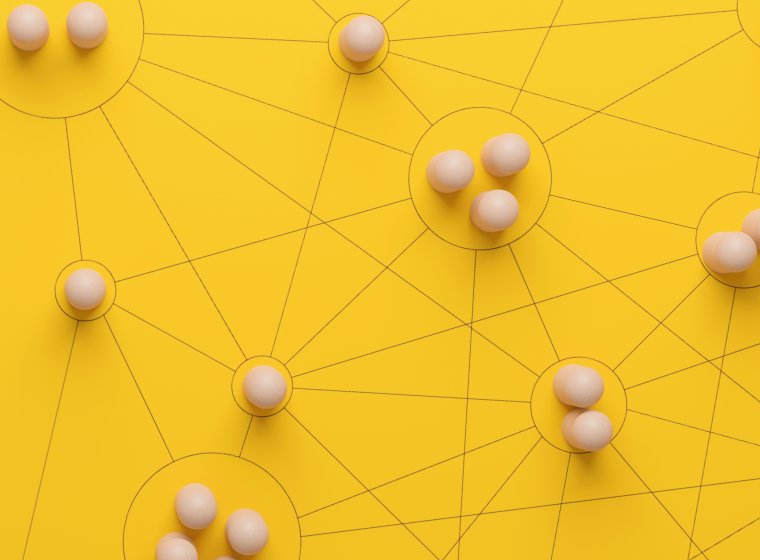
Connecting Ecosystems and Actors: the Role of Intermediaries
Within this landscape, intermediaries play a central role. They operate between research, industry, policy, and society, helping to translate general principles into concrete decisions. They support:
- intellectual asset management
- collaboration between actors
- selection of appropriate valorisation pathways
However, their presence across Europe remains unbalanced, which affects how knowledge circulates and how consistently approaches are applied. In more established ecosystems, intermediaries are often well integrated and connected at European level, while in many Widening countries and less developed regions they remain more fragmented and less visible.
Many actors already contribute to knowledge valorisation in practice but do not identify their activities as such or see themselves as part of a broader ecosystem. This limits coordination, reduces opportunities for exchange, and leads to underused results. Strengthening their connections and visibility is key to improving how knowledge is translated into impact.
To this end, activities across the EURICE Group contribute through practical work on knowledge valorisation. This includes support for intellectual asset management, impact-oriented licensing, and guidance on moving results towards use. Within this Innovation Ecosystem, approaches are tested, practices exchanged, and insights fed back into broader discussions. Europe’s capacity to valorise knowledge depends on how effectively guidance is applied in practice. Strengthening connections between actors and linking practice with policy remains central to making this work at scale.