 Quantum & Digital Infrastructures
PASQuanS2
Programmable Atomic Large-Scale Quantum Simulation

At a Glance
- Developing programmable quantum simulators to address real-world challenges
- Bridging fundamental research and industrial application in quantum technologies
- Fostering collaboration across European academia and industry
- Paving the way for next-generation quantum computing platforms
Pushing Boundaries with Quantum Simulation
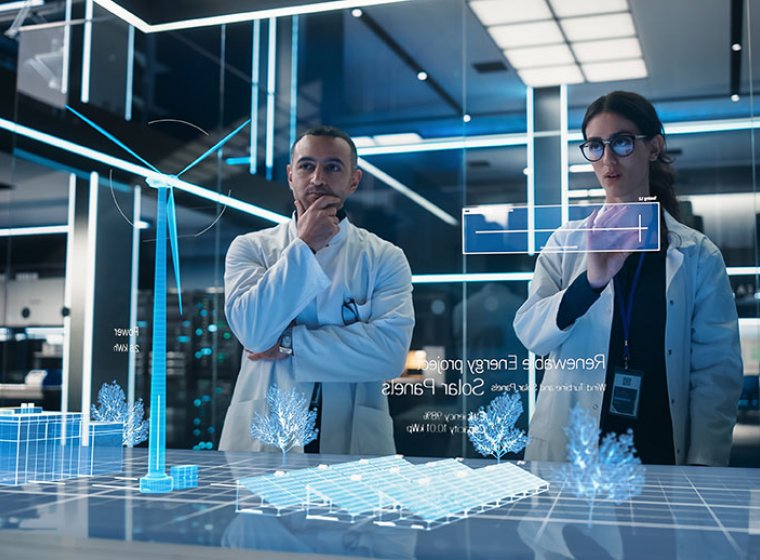
The future of computing lies in the ability to solve highly complex problems (from material science to logistics) that traditional computers struggle with. Quantum simulators offer a promising path forward, enabling researchers and industry to explore solutions that are currently unattainable. However, bringing quantum simulation into practical use requires more than just theoretical progress, it demands real-world testing, hardware development, and interdisciplinary collaboration.
PASQuanS2 addresses this challenge by bridging academic excellence and industrial know-how. The project accelerates the development of quantum technologies in Europe, helping lay the foundations for a competitive, sovereign quantum ecosystem that benefits society at large.

Neutral Atoms, Trapped Ions, and European Expertise
PASQuanS2 integrates two of the most promising platforms in quantum simulation: neutral atoms and trapped ions. Through coordinated research and development, the project enhances the control, scalability, and programmability of these systems. Scientists work alongside industry to improve hardware components, software interfaces, and algorithms tailored to relevant use cases. This interdisciplinary approach ensures that the quantum simulators developed are not only scientifically advanced but also industrially viable.
The project includes testbeds and benchmarks, creating a pathway for real-world validation. Alongside technical progress, PASQuanS2 promotes education, training, and outreach to support the broader adoption of quantum technologies across Europe.