 Health
REDDIE
Real-world Evidence for Enhanced Decision-Making in Diabetes


At a Glance
- Improving regulatory acceptance of real-world evidence in diabetes care
- Recreating virtual trials using real-world (Sweden, Denmark, Germany, UK) and synthetic data
- Focuses on regulatory and Health Technology Assessment (HTA) acceptability of Real-World Data (RWD) through developed standards and synthetic data generation
Closing the Gap Between Clinical Trials and Real-life Outcomes
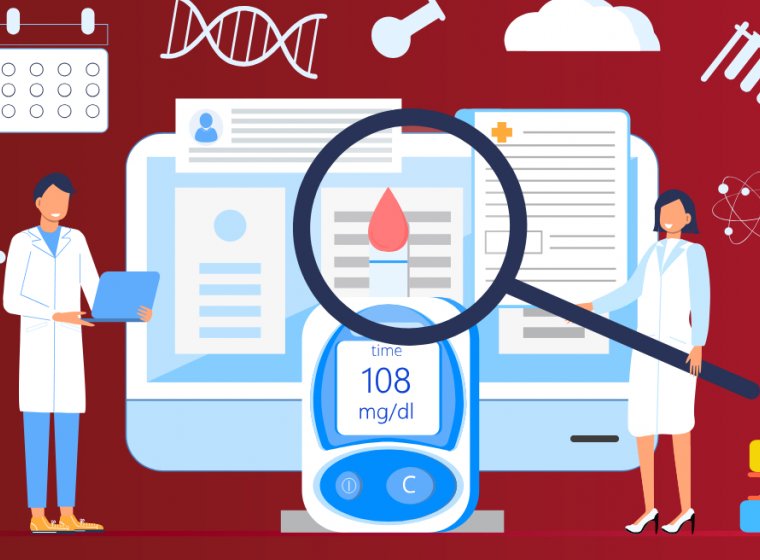
Clinical trials are essential for proving the efficacy of medical treatments, but they often fail to capture the diversity and complexity of real-world patients. For diabetes, a condition deeply influenced by lifestyle and comorbidities, traditional trials alone are not enough.
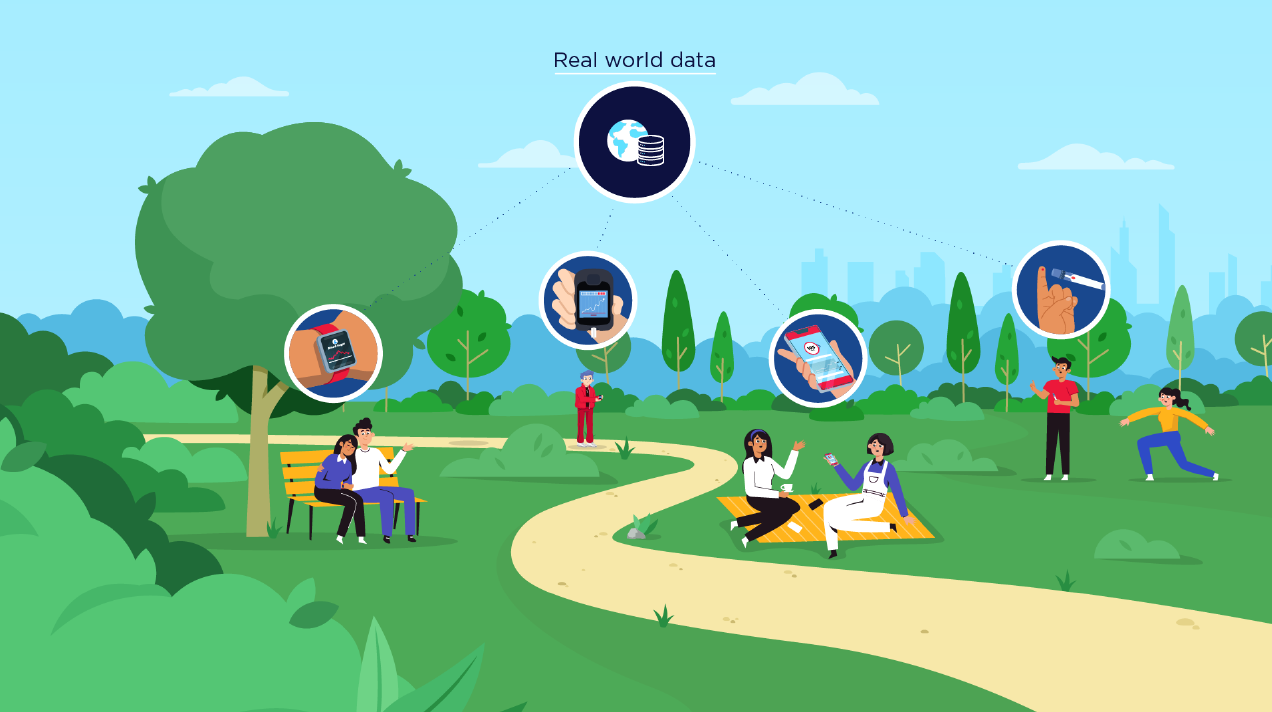
REDDIE tackles this limitation by using data from healthcare systems, devices, and patient registries to recreate the conditions of clinical trials in real-world settings. This approach improves the relevance of evidence available to regulators and decision-makers, while also reducing costs and speeding up the process of getting effective treatments to patients.
Virtual Trials and Synthetic Data as New Tools for Evidence Generation
REDDIE uses four national diabetes datasets from Sweden, Denmark, Germany, and the UK. These datasets feed machine-learning models that generate virtual trials and synthetic patient profiles. By comparing synthetic and observational outcomes with original trial results, REDDIE validates the robustness of its approach. In addition, it generates standards for RWD use for the evaluation of medicines and other interventions by regulatory authorities and HTA bodies.
Throughout the project, the team actively engages with regulators, notified bodies, policy officers, diabetes experts and people living with diabetes to ensure that its tools meet real regulatory requirements and facilitate practical implementation.