 Health
GreenNanoBone
sustainable, biocompatible, bioactive and antimicrobial 4D materials for the treatment of medication-related osteonecrosis of the jaw (MRONJ)


At a Glance
- Innovative nanomaterials to prevent and treat medication-related osteonecrosis of the jaw (MRONJ) - a serious drug adverse reaction to bone-targeting agents (BTAs)
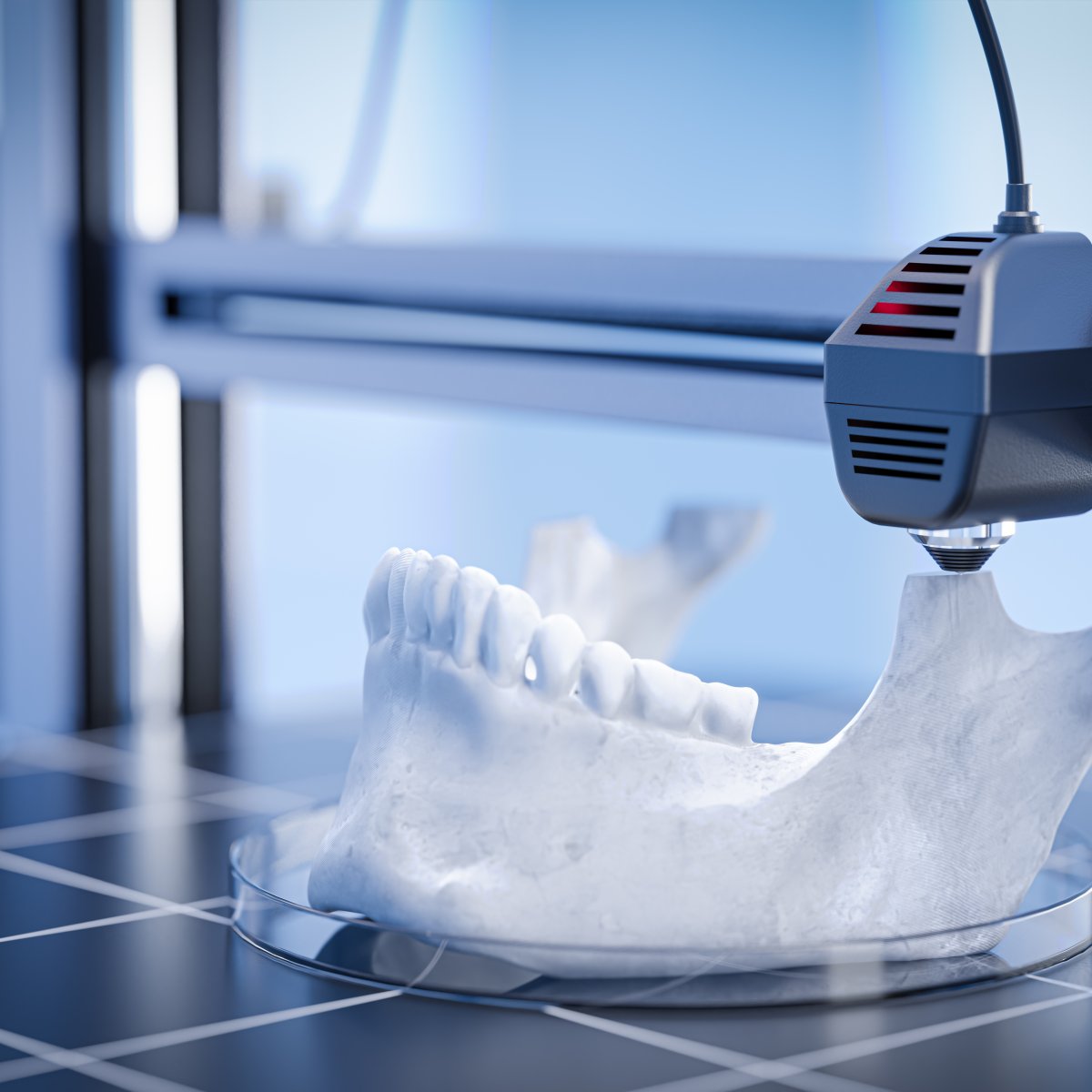
- Sustainable 4D hydrogels that can be 3D printed or injected, designed to support healing and fight infection
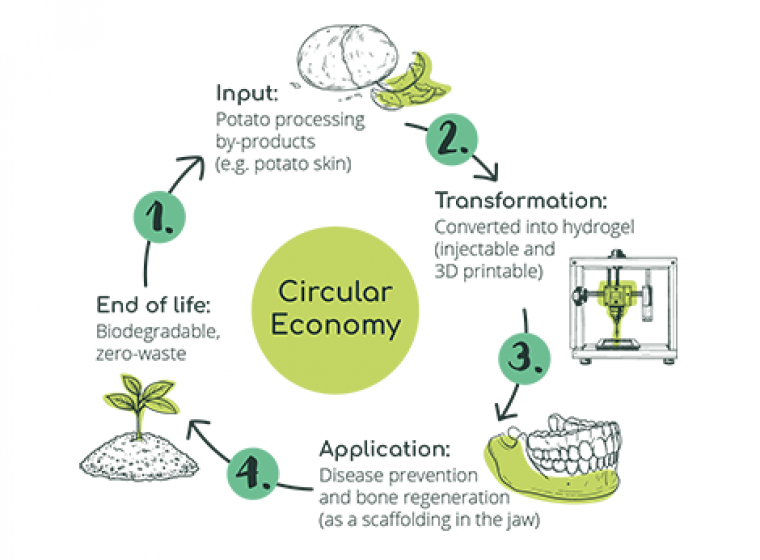
- Promoting a circular economy by turning potato industry waste into high-quality medical materials
A pressing need meets a sustainable solution
For thousands of cancer survivors each year, a life-saving treatment comes with a painful trade-off. Bone-targeting agents like bisphosphonates, used to prevent the spread of cancer to the bones, can trigger medication-related osteonecrosis of the jaw (MRONJ). Patients with this detrimental condition face an irreversible deterioration of the jawbone and constant infection, making food-intake extremely difficult and putting them at risk of malnutrition.
Current treatments are limited and often rely on long-term antibiotics, contributing to the growing problem of antimicrobial resistance. MRONJ cases are rising as cancer survival rates improve, creating an urgent need for new therapeutic options. This is where GreenNanoBone comes in. Rather than treating symptoms, the project focuses on prevention and regeneration—developing biocompatible materials that support healing while reducing environmental impact. By harnessing food industry waste as a base material, GreenNanoBone not only tackles a severe medical challenge, but also helps drive a circular, sustainable approach to healthcare innovation.
Healing bones, rethinking waste
GreenNanoBone combines an innovative approach to regenerative nanomedicine with sustainable production methods and the promotion of a circular economy with the goal of developing a new kind of therapy for MRONJ.
At its core is a plant-based hydrogel, developed from potato industry waste and engineered to be biocompatible, antimicrobial, and bioactive. This “smart” material can be injected directly into damaged jawbone or 3D printed as a scaffold, where it supports regeneration of both bone and soft tissue. Artificial intelligence helps fine-tune the hydrogel’s properties for maximum performance and safety. Researchers will validate the materials in pre-clinical models, while also preparing for scaling up the GMP-like production processes. The result is a minimally invasive, targeted treatment that avoids prolonged antibiotic use and offers a new path forward for patients with MRONJ. Looking ahead, this technology could be expanded to treat other conditions like osteoporosis and complex fractures, proving that innovation rooted in sustainability will shape the future of regenerative medicine.