 Health
eWHORM
Eliminating Worm Infections in Sub-Saharan Africa and Enabling the WHO Road Map 2021–2030
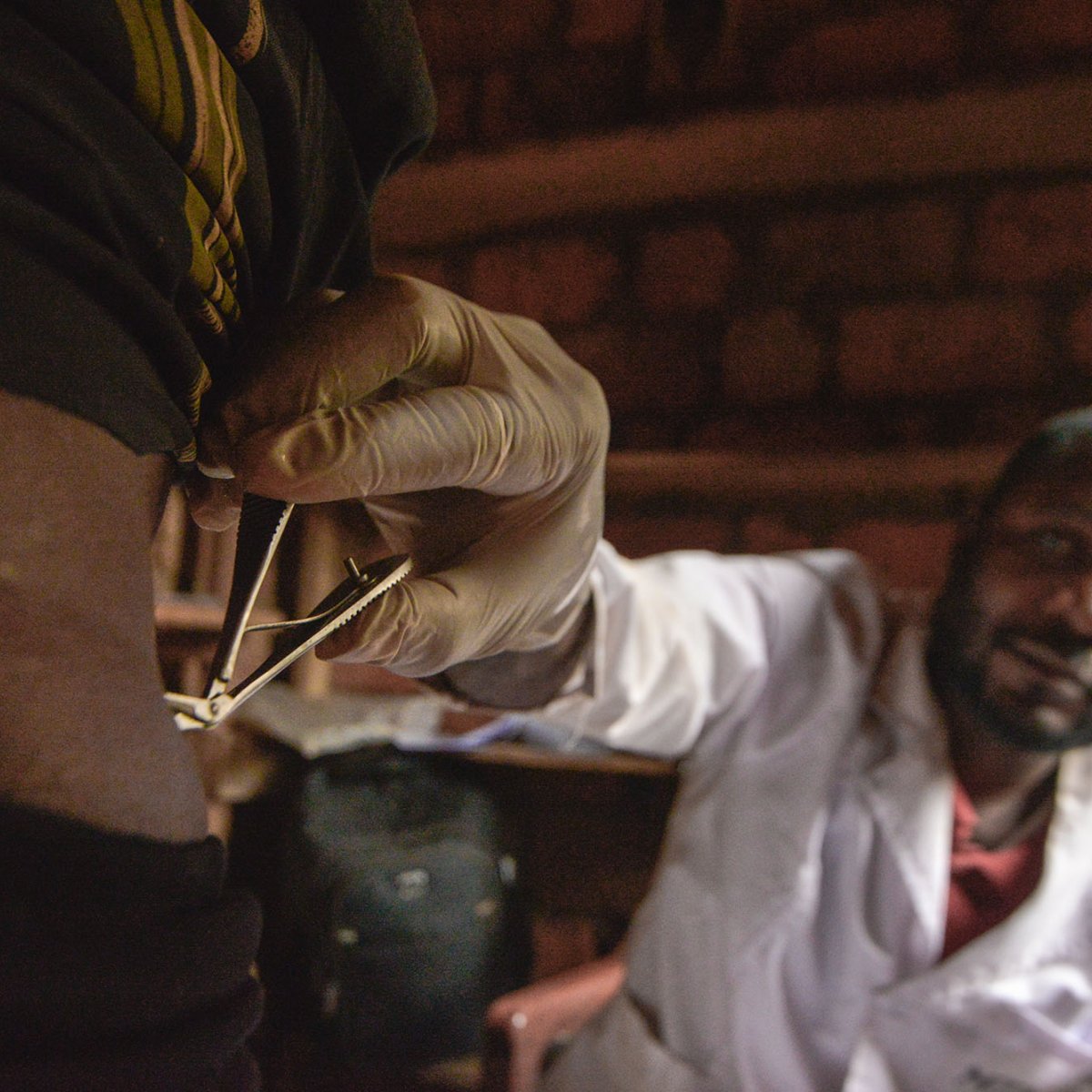
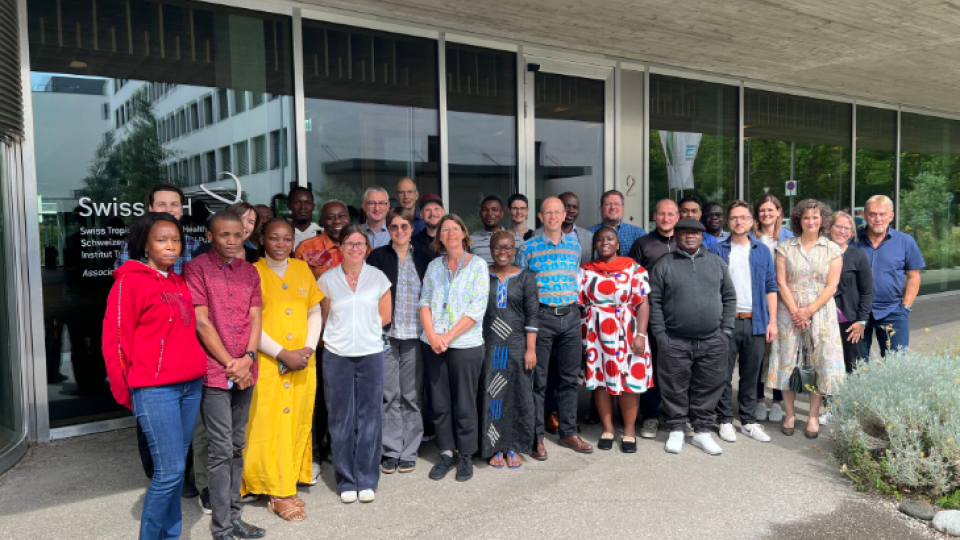

At a Glance
- Developing and testing oxfendazole, a promising broad-spectrum treatment for multiple worm infections
- Coordinating adaptive clinical trials across four Sub-Saharan African countries
- Training healthcare workers and strengthening clinical research capacity in endemic regions
- Contributing to the WHO Roadmap 2021–2030 for the elimination of neglected tropical diseases
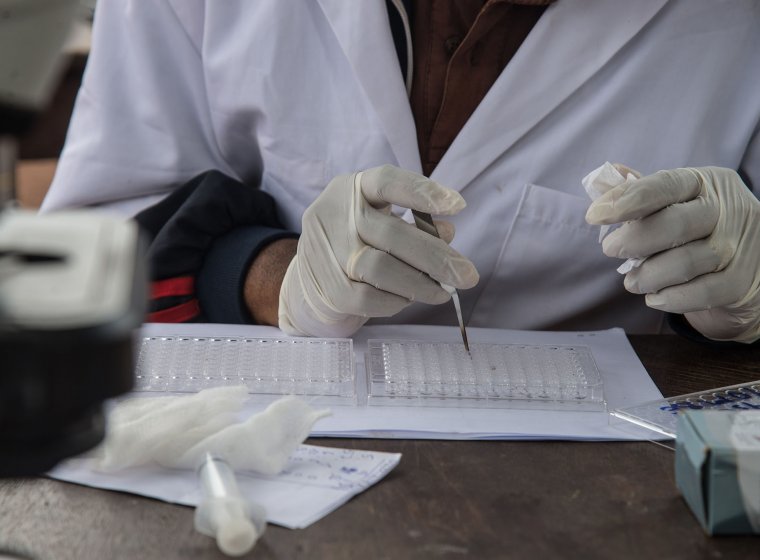
Breaking the Cycle of Neglect in Worm Infections
Worm infections, such as river blindness and soil-transmitted helminths, continue to affect millions across sub-Saharan Africa. They are diseases of poverty and neglect, overlooked for decades, despite being preventable and treatable. Too often, existing drugs are not effective enough, and local health systems lack the tools and support to respond.
eWHORM tackles this challenge on two fronts. It tests oxfendazole, a promising drug with the potential to treat multiple worm infections simultaneously, and enhances clinical and diagnostic capacity through hands-on training and lasting partnerships. By combining innovation with on-the-ground action, the project helps shift the focus from neglect to investment, supporting the WHO’s goal of eliminating these diseases and building stronger, more resilient health systems where they are needed most.

Sustainable Solutions Through Stronger Systems
eWHORM conducts adaptive basket trials in four sub-Saharan African countries to test oxfendazole against multiple worm infections at the same time. These trials assess the drug’s safety, effectiveness, optimal dosage, and treatment duration in real-world conditions.
But the project goes beyond clinical research. It invests in local talent by training healthcare professionals in trial design, diagnostics, and research ethics. It also strengthens collaboration across African and European institutions, supports early-career researchers, and promotes gender equity in health research.
Together, these efforts aim not only to develop better treatments but also to build lasting, locally driven research capacity.