 Health
COMBINE
Towards Improved Pandemic Preparedness

At a Glance
- Advancing our understanding of virus cell entry using Marburg virus as a model
- Creating a blueprint for identifying new targets for antiviral strategies
- A technology pipeline that can be rapidly adapted to emerging viruses, strengthening global health resilience and preparedness for future pandemics
Understanding Viral Entry Is Key to Pandemic Preparedness
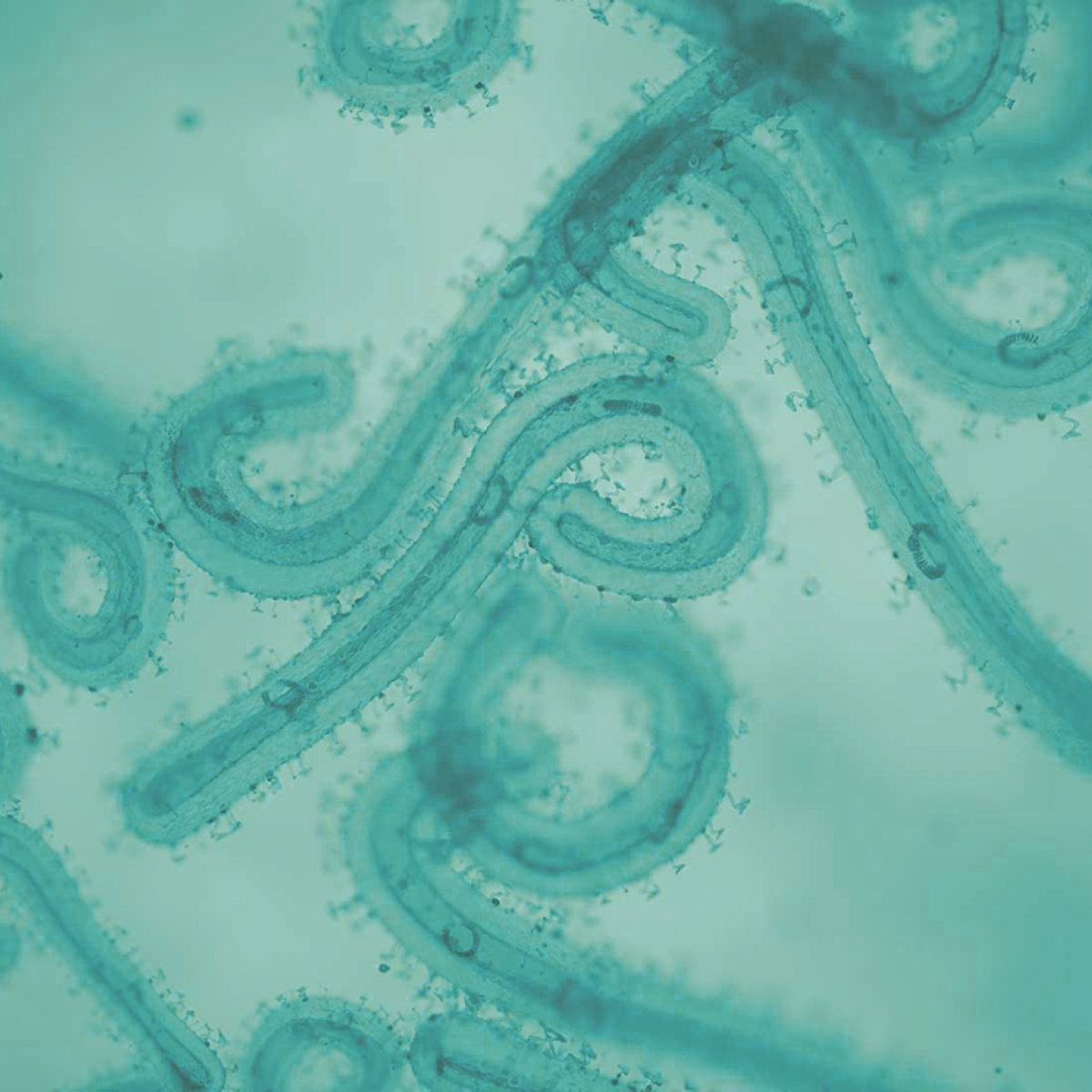
New viruses are emerging more often and unpredictably, intensifying the threat of pandemics. Preparing for pandemics is not only about health – it is also key to protecting economies, societal stability, and reinforcing global systems. A critical yet underexplored stage of infection is when a virus initially binds to human cells. This is why COMBINE targets the early virus-cell binding stage, aiming to identify the key virus and cell components involved in infection. The research focusses on the Marburg virus (MARV), using the highly lethal pathogen that has no approved vaccine or treatment as a model to map the cellular signature activated during initial virus contact and internalisation. By pinpointing the key factors, COMBINE will uncover new antiviral targets and facilitate therapeutics and vaccines. Moreover, the project will establish a technology pipeline that serves as a versatile blueprint for rapid response to other emerging viruses – significantly enhancing pandemic preparedness.
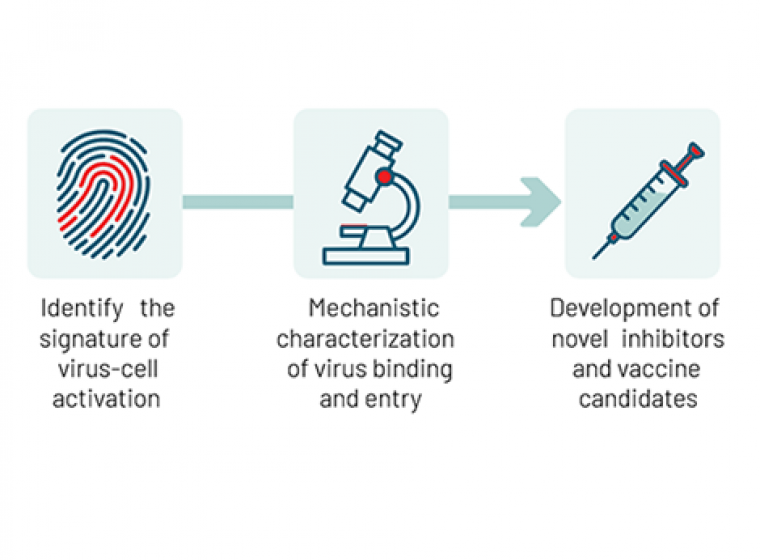
The COMBINE approach: Identify – Characterise – Inhibit
Against this backdrop COMBINE investigates virus entry into human cells using a sophisticated, multi-technique, approach: Identify – Characterise – Inhibit. Beginning with an innovative inverted infection platform that halts and synchronizes virus binding at the cell membrane, capturing the exact moment of virus-cell interaction. Once the virus binds, a unique combination of advanced technologies is employed to identify the key virus and cell components involved in infection – the signature of virus-cell activation. The next step is to characterise the roles of the identified key viral and cellular components (i.e. proteins) in the infection process. Given this foundation, the goal is to build a mechanistic model of how MARV enters cells, and which proteins are critical for this process. In the final step COMBINE aims to prevent the infection of cells by interfering with the identified viral entry factors. The insights into tissue-specific protein changes may furthermore aid improved vaccine design. By mapping these early infection events and testing inhibitors based on Marburg virus as a model, COMBINE constructs a flexible experimental pipeline. This blueprint can be rapidly adapted to study other emerging viruses, accelerating the discovery of antiviral therapies and vaccines – ultimately improving pandemic preparedness.