
As climate pressures intensify and food systems face growing uncertainty, one resource is gaining renewed attention: genetic diversity. Long preserved in seed banks and research collections, plant genetic resources are increasingly recognised as a cornerstone for building resilient and sustainable agriculture in Europe.
A recent European Commission publication highlights how EU-funded projects are helping to unlock this potential — not only by conserving biodiversity, but by making it usable for researchers, breeders and farmers alike.
At the heart of this shift is a move away from viewing genetic resources as static archives. Instead, they are becoming dynamic, data-rich assets that can actively support innovation in plant breeding and crop development.
Making Crop Diversity Accessible, Usable and Connected
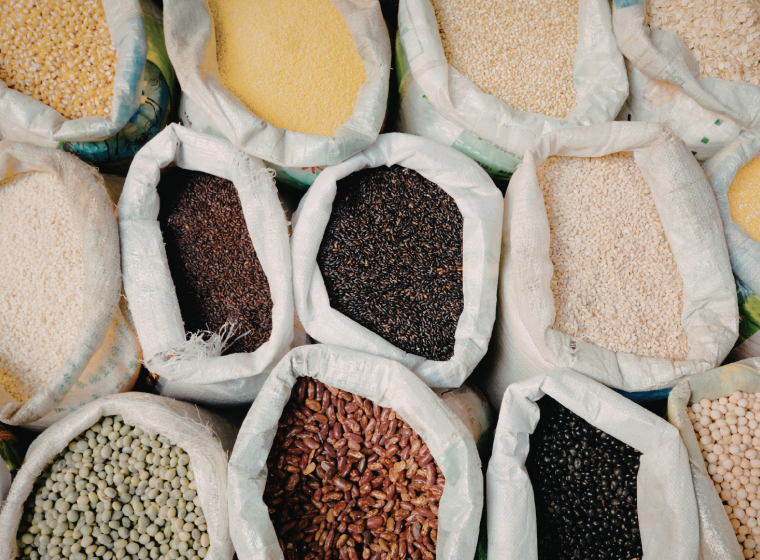
Projects such as INCREASE are contributing to this transformation with a focus on key food legumes, including chickpea, common bean, lentil and lupin. By combining advanced genomic tools with participatory approaches, INCREASE is working to better characterise and mobilise genetic diversity while actively involving citizens in the process. This opens up new ways of connecting people to the crops they grow and consume, while strengthening the foundations of agrobiodiversity.
Complementing this approach, AGENT has been working to reimagine how genetic resources are organised and accessed. By building a more connected and digitally enabled genebank network, the project has aimed to make vast collections of plant material easier to explore and use. In doing so, it has helped bridge the gap between conservation and practical application, ensuring that valuable traits do not remain locked away but can contribute to the development of improved crop varieties.
Translating Genetic Diversity Into Agricultural Innovation
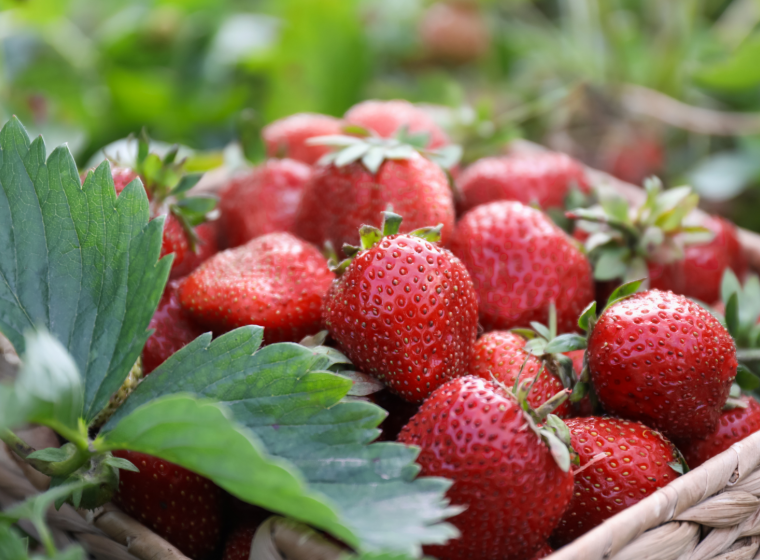
Further along the innovation pipeline, BreedingValue has been focusing on translating biodiversity into tangible benefits for agriculture and consumers. Working on berry crops such as strawberries, blueberries and raspberries, the project has developed new pre-breeding strategies that integrate genetic insights with quality traits, including taste and nutritional value. This approach has supported the creation of crop varieties that are not only more resilient to environmental challenges, but also aligned with consumer expectations.
Together, these initiatives illustrate a broader transformation in how Europe approaches plant breeding and genetic resources. By linking conservation, data, and innovation, they contribute to a more integrated system where biodiversity can be effectively harnessed to address pressing challenges, from climate adaptation to food security.
As highlighted in the European Commission’s publication, collaboration across disciplines and sectors remains key. Researchers, breeders, policymakers and citizens all play a role in ensuring that genetic diversity is not only preserved, but actively used to shape the future of food.
Sustained research efforts will be essential to maintain this momentum and enable genetic resources to effectively support innovation in agriculture.