
Every summer, millions of Europeans set off in search of nature. They hike through mountain landscapes, cycle along coastal paths, paddle across wetlands and visit forests teeming with wildlife. Yet the growing popularity of these destinations raises an important question: how do we protect the places we love from being loved too much?
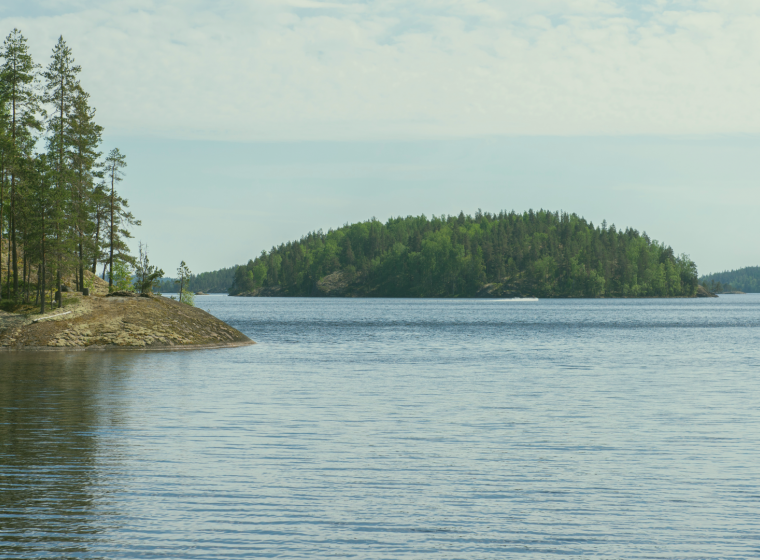
The question is especially relevant for Natura 2000, the world's largest coordinated network of protected areas. The network includes more than 27,000 sites across the European Union, protecting Europe's most valuable habitats and species while allowing many of these areas to remain living landscapes where people work, farm, fish and enjoy the outdoors. As many of these protected areas become increasingly popular destinations for nature-based tourism, they illustrate what the guidance describes as a "conservation paradox": the better protected a place is, the more people want to experience it, potentially placing additional pressure on the very ecosystems that make it special.
It is against this backdrop that the European Commission has published new guidance on Natura 2000 and sustainable tourism. Rather than treating tourism as an unavoidable threat, the guidance reflects a broader shift in thinking: protected areas should not simply be shielded from visitors, but managed in ways that allow people and nature to thrive together. When carefully planned, tourism can become a powerful driver of biodiversity conservation, local prosperity and climate resilience.
To help achieve this, the guidance offers practical recommendations for site managers, local authorities and tourism operators. It encourages them to understand how visitors interact with sensitive ecosystems, assess how much tourism a site can sustain, involve local communities in decision-making, and develop visitor experiences that minimise environmental impacts while maximising educational value. Measures range from seasonal trail closures during breeding periods and visitor zoning to guided wildlife tours, citizen science initiatives and better interpretation of natural heritage. The aim is not to keep people away from nature, but to help them experience it responsibly.

Perhaps the most compelling message is that conservation and economic development do not have to compete. By encouraging guided experiences, educational activities, citizen science initiatives and closer engagement with local communities, sustainable tourism can help visitors better understand the value of biodiversity while promoting more responsible interactions with nature. In this way, tourism becomes not just an economic activity, but also a way of building public support for conservation.
At the same time, according to the Commission, tourism associated with Natura 2000 already supports an estimated 4.5 to 8 million full-time jobs, while generating between €50 and €85 billion in tourism and recreation spending. Healthy ecosystems attract visitors, creating employment, supporting small businesses and generating opportunities across sectors including sustainable agriculture, fisheries, hospitality and local food production. For many rural, mountain and coastal regions, biodiversity is therefore not simply a natural asset to protect, but the foundation of a resilient local economy.
As climate change reshapes tourism patterns and demand for nature-based experiences continues to grow, Europe's protected areas will need to welcome visitors without compromising the habitats and species they protect. The Commission's new guidance offers practical tools to help strike that balance, ensuring that nature conservation and sustainable tourism can continue to support one another.