
When we talk about nature or ecosystems, we tend to focus on what we can see. We picture forests, fields, or the surface of the ocean. But these images are far from complete. What remains out of sight is just as important for keeping ecosystems functioning. In fact, what we overlook may say less about its importance and more about the limits of how we observe and study the natural world.
Take soil. It is often treated as a passive background, a surface rather than a system in its own right. But that view is misleading. Soil is alive, and far more complex than it appears.
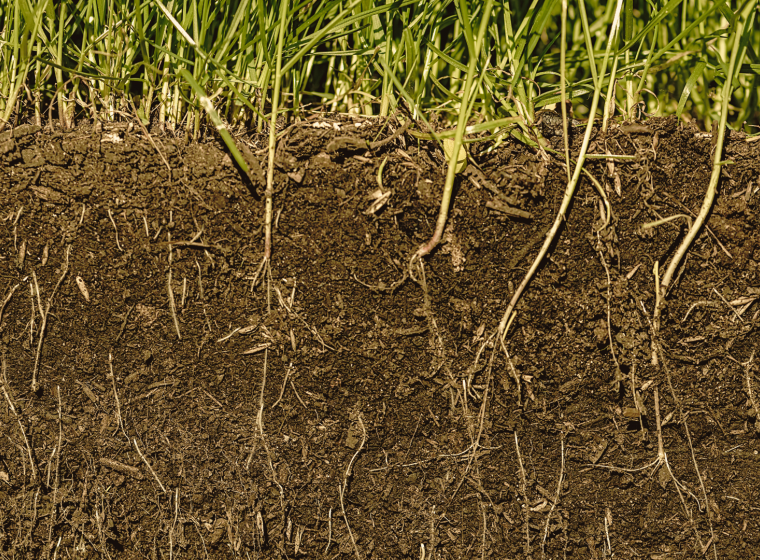
A Living System Beneath Our Feet
A single handful of soil can contain billions of microorganisms, along with fungi and tiny invertebrates. Together, these soil organisms, also referred to as soil biodiversity, drive processes that ecosystems depend on, from nutrient cycling to carbon storage. Without them, plant growth would look very different.
This underground world is easy to overlook. Compared to their aboveground counterparts, plants and animals that live belowground remain less understood. Research has traditionally focused more on the chemical and physical properties of soil, while its biological dimension has received less attention. That is now beginning to change, as researchers look more closely at the organisms living in soil and how they interact and function as a system.
Connections That Are Easy to Miss
What is becoming clearer is that soil is not just a foundation. It is connected to much of what happens above ground. Pollination is a good example. Many pollinators, including ground-nesting wild bees, rely directly on soil for nesting and reproduction. Soil conditions can influence where they live and how well they survive, with consequences for pollination and, ultimately, food production.
These kinds of links are easy to miss, but they point to a broader picture in which soil, biodiversity and agriculture are closely intertwined.
The same applies when things start to go wrong. Soil degradation often happens gradually, and out of sight, until its effects become harder to ignore.
In parts of Europe, pressures such as intensive land use, climate change and water scarcity are already affecting soil health. In some regions, this contributes to desertification, with long-term impacts on farming and ecosystems. Recovery is possible, but slow. Rebuilding the biological balance of soil can take years.
From Understanding to Action
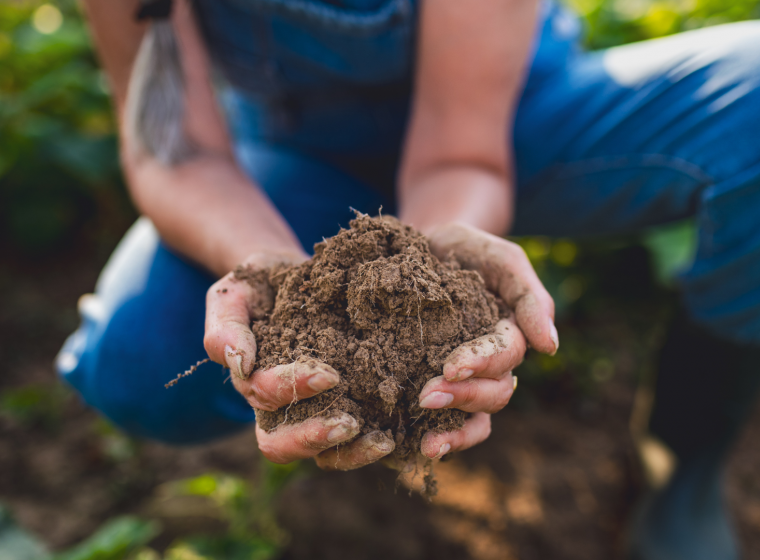
This is beginning to shift how soil is approached in both research and practice. There is growing attention to soil as a complex system, to the factors that keep it healthy, and to how it connects to wider ecosystems.
The knowledge generated is also starting to inform European policy. Initiatives such as the EU Soil Strategy for 2030 and the adopted Soil Monitoring Law aim to improve how soil health is monitored, assessed, and restored across Member States, while research projects — including SOB4ES, Nemesis and ProPollSoil — contribute data and methods to support these efforts.
Soil may not feature prominently in everyday conversations about climate or food, but it sits at the centre of both. What happens below ground shapes more than we tend to notice and understanding it better will be key in the years ahead.