
The EU has set an ambitious goal: establish 100 Living Labs dedicated to soil health by 2030. At first glance, the term may sound technical, but the idea behind it is surprisingly simple. Living Labs bring together the people who know a place best to test and develop solutions to the challenges facing that environment.
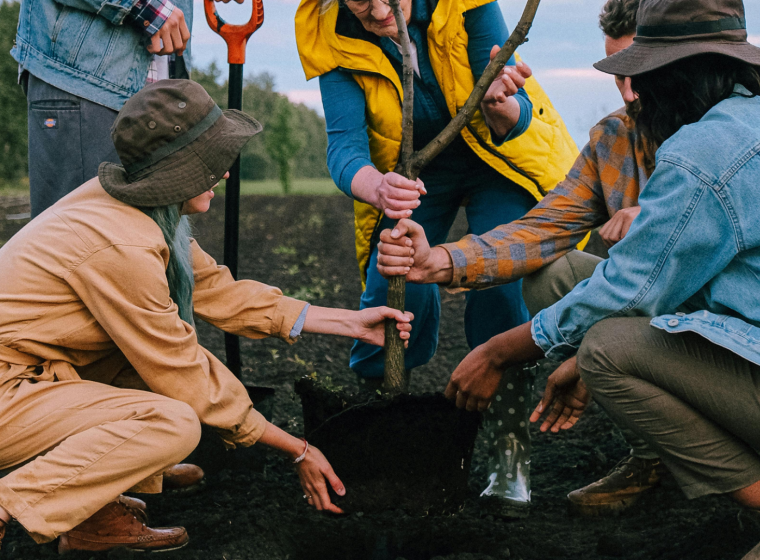
With more than 60% of European soils considered unhealthy, there is a growing need for approaches that move beyond the laboratory and into the landscapes where problems are unfolding. Living Labs are designed to do exactly that. They create spaces where researchers, farmers, businesses, public authorities and citizens can work together to experiment with new practices, technologies and policies in real-world conditions.
According to the European Network of Living Labs (ENOLL), Living Labs are "dynamic, open innovation ecosystems where research and innovation unfold in real-life environments rather than in isolated laboratories". In practice, they serve as platforms for co-creation, ensuring that those most affected by environmental challenges have a direct role in shaping the solutions.

From Concept to Action
Across Europe, Living Labs are already helping communities tackle pressing soil health issues.
The Nemesis project, for example, is establishing a network of five interconnected Living Labs across the Mediterranean. Each Living Lab focuses on a specific challenge linked to desertification and land degradation, ranging from water management and biodiversity protection to sustainable crop production, pastures, and cross-border management.
Rather than testing solutions in isolation, the Living Labs bring together farmers, scientists, local authorities and citizens to trial new soil management practices directly in the field. Participants monitor the results, exchange knowledge and adapt approaches based on local needs and conditions. This collaborative process helps ensure that promising innovations are both practical and relevant to the communities they are intended to serve.
Different Names, Shared Principles
Not every initiative uses the term "Living Lab", yet many operate according to the same principles. In the ProPollSoil project, local stakeholders collaborate through so-called Case Study Areas. These field sites bring together researchers, farmers and small businesses around shared environmental challenges, creating opportunities for dialogue, experimentation and mutual learning.
One Case Study Area in Spain focuses on the relationship between soil health and pollinators in drought-prone almond orchards. Researchers are investigating how irrigation practices, cover crops and reduced pesticide use affect both soil quality and pollinator diversity. Their findings are shared directly with farmers and land managers, enabling them to apply new knowledge in their day-to-day decision-making.
Whether called Living Labs or Case Study Areas, these initiatives demonstrate the value of conducting research with local communities rather than simply for them.
Why Soil Health Needs Collaboration
Soil health is shaped by local conditions. What works in one region may not be suitable in another. This makes collaboration between researchers and local actors particularly important.
By connecting scientific expertise with practical experience, Living Labs help develop solutions that are tailored to specific environmental, social and economic contexts. They also accelerate the transfer of knowledge from research into practice, allowing communities to test, refine and adopt new approaches more quickly.
At their core, Living Labs are about strengthening the relationship between people and place. By bringing together those who depend on the land with those studying how to protect it, they create a foundation for more resilient landscapes and healthier soils across Europe.