 Food & Nature
HealthFerm
Plant-Based Fermented Foods for Healthier and More Sustainable Diets

At a Glance
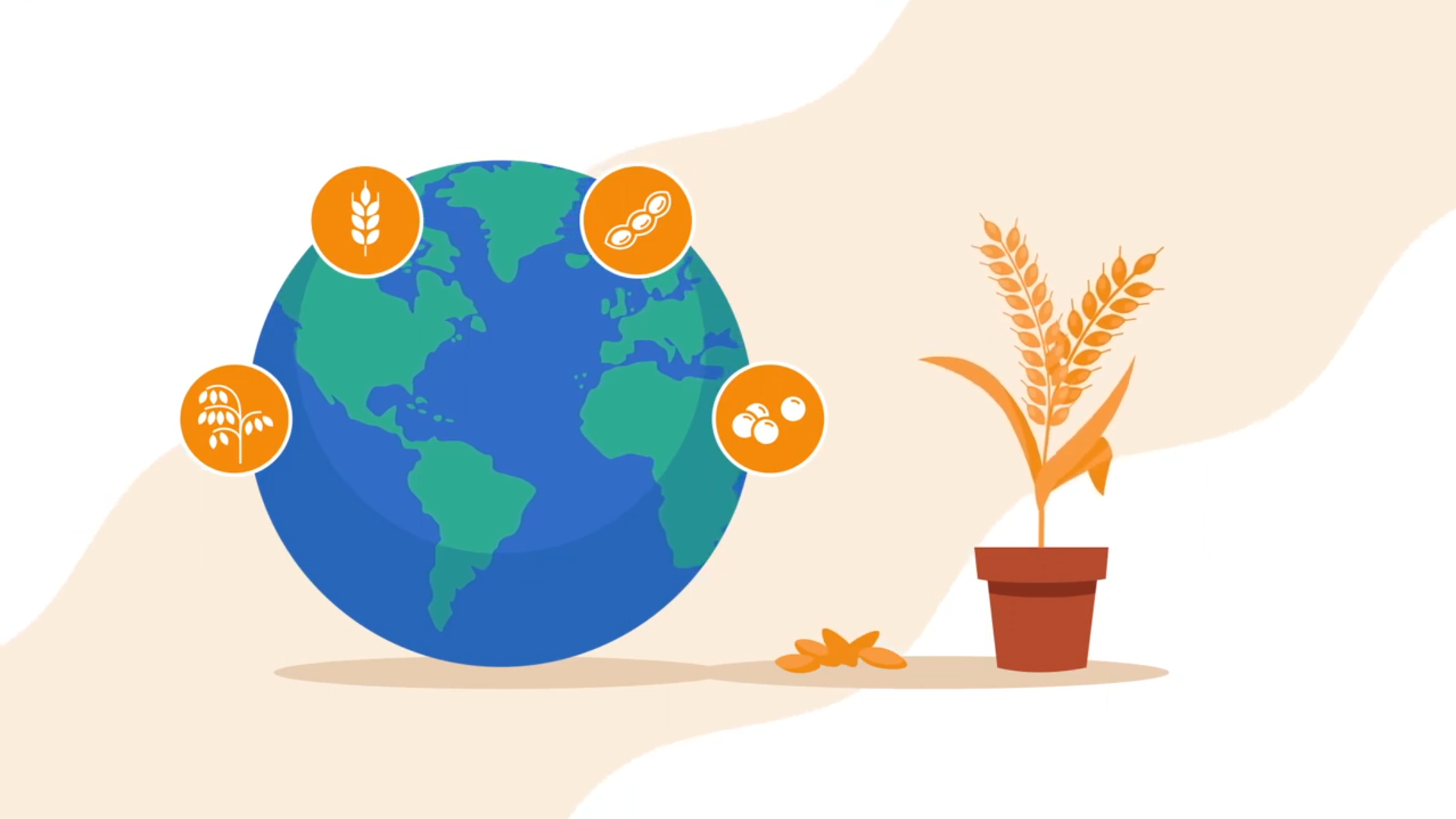
- Supporting an evidence-based transition in society and industry from traditional to sustainable, plant-based fermented foods and diets designed to deliver health benefits
- Investigating innovative fermentations based on pulses and cereals, along with their health effects and consumer perception
- Contributing to a more sustainable food system by reducing the consumption of animal-based foods

Fermented Foods: Beneficial for Health?
Fermented foods have gained a reputation for being beneficial to health. However, with the exception of yoghurt and other cultured dairy products, little concrete evidence exists for the actual health benefits of fermented foods. Therefore, the HealthFerm project performs several human intervention studies to better understand the interaction between food fermentation microbiomes, fermented grain-based foods and the human gut microbiome and how they support human health. A community-science approach plays a vital part in collecting diverse food fermentation microbiomes used to design innovative fermented plant-based foods with optimal health benefits.
Community Science for Innovative Plant-Based Food Fermentations
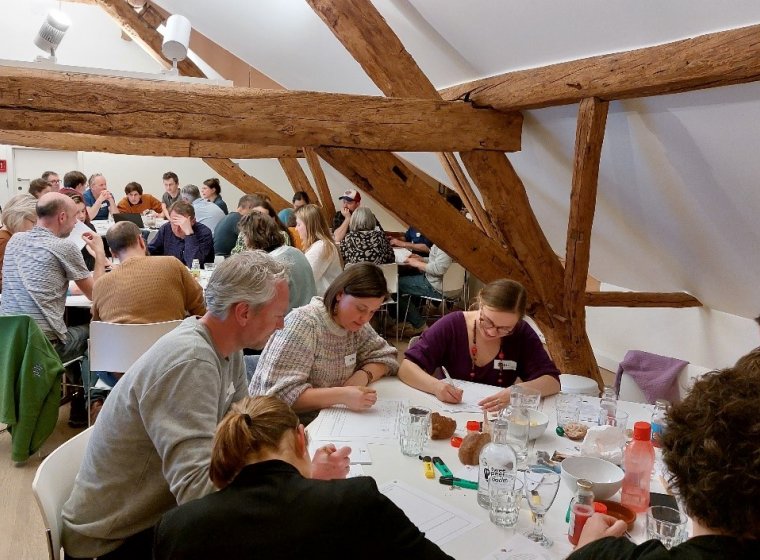
At the heart of HealthFerm lies a community-science approach. Citizens, artisans and companies collect food fermentation microbiomes across Europe and worldwide for analysis to map the biodiversity of microorganisms used to ferment different foods. HealthFerm builds on this knowledge to devise novel foodstuffs that improve the sensorial and health benefits of both traditional foods, like (sourdough) bread, as well as sustainable plant-based dairy and meat alternatives. A specially developed online interface supports the effort for developing innovative plant-based food fermentations.